

How Eye Exams Can Reveal Underlying Health Conditions
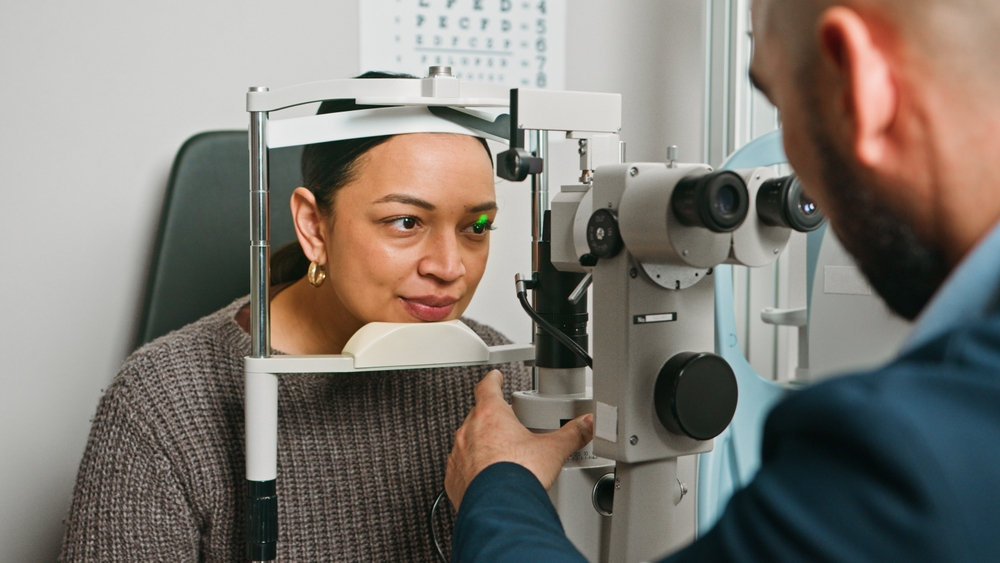
Many people think of an eye exam as a way to update glasses or contact lenses, but it can do much more. During routine eye exams, we look at the eyes in ways that may reveal signs of broader health concerns. Because the eyes contain small blood vessels, nerves, and delicate tissues that can reflect changes throughout the body, an exam can sometimes point to problems that need medical attention.
The Eyes Can Show More Than Vision Changes
Your eyes are closely connected to your overall health. Changes in the retina, optic nerve, blood vessels, and surrounding tissues may suggest that something else is going on beyond blurry vision. In some cases, patients come in expecting a simple prescription check and learn that their eye exam is showing signs of another condition.
That is one reason regular eye exams matter even when your vision seems stable. Some health issues can develop gradually and may not cause obvious symptoms at first.
Health Conditions That May Be Spotted During an Eye Exam
An eye exam may help detect early signs of several health concerns, including:
- Diabetes
- High blood pressure
- High cholesterol
- Autoimmune conditions
- Thyroid-related eye changes
- Neurological issues affecting the optic nerve or visual system
An eye exam is not a replacement for medical care, but it can be an important part of identifying problems early.
Diabetes and Blood Vessel Changes
Diabetes can affect the tiny blood vessels in the retina. In some cases, retinal changes are visible before a person realizes their blood sugar is out of range. Swelling, leakage, or bleeding in the back of the eye may suggest diabetic eye disease and can also signal a need for further medical evaluation.
This is one reason diabetic eye exams are so important. Protecting vision often starts with catching these changes as early as possible.
High Blood Pressure and Cholesterol Clues
High blood pressure and high cholesterol can also leave signs in the eyes. Narrowed blood vessels, small hemorrhages, or plaque buildup may indicate circulation problems. These changes do not always affect sight right away, but they can still point to larger cardiovascular concerns.
When we see these findings during an eye exam, we may recommend follow-up with your primary care physician for a more complete assessment.
Nerve and Brain-Related Warning Signs
The optic nerve and visual system can sometimes reflect neurological problems. Certain patterns of vision loss, optic nerve swelling, or abnormal pupil responses may raise concern for conditions involving the brain, nerves, or intracranial pressure.
Not every finding means a serious diagnosis, but unusual results should never be ignored. A comprehensive exam can help determine whether additional testing is needed.
Why Routine Eye Exams Matter
Even if you are not noticing major symptoms, routine eye exams help us monitor both vision and eye health over time. Small changes can be easier to detect when exams are done consistently. Early detection often makes treatment more effective, whether the issue is eye-related or part of a larger health picture.
If it has been a while since your last visit, scheduling an exam is a simple step that can support both your vision and your overall well-being.
Contact Coers Family Eyecare, PC at 2525 California St. Suite G, Columbus, IN 47201 by calling (812) 408-8400 to schedule your eye exam.


MAP
© 2026 Coers Family Eyecare, PC. All Rights Reserved. Accessibility Statement - Privacy Policy - Sitemap
Powered by: 