


Blog list
Coers Family Eyecare, PC Blog
Learn more about care in our blog!

An estimated 90% of eye injuries are preventable if the right eye protection is worn. That means that 27,000 out of 30,000 sports-related eye injuries in America could be avoided by taking this one simple precaution. You might think of eye protection as something for welders or construction worke...

Did you know that the fall season is not the best time of year for people who have eye allergies? While spring is hard on some with allergic distresses such as red and itchy eyes, fall can also cause eye sensitivities that are just as nasty.

We wouldn’t have gone into the optometry field if we weren’t fascinated by eyes, and there are some incredible ones in nature. There is such incredible variation in how eyes work across the animal kingdom that we could spend years studying and barely scratch the surface, so to start out, we j...

Digital screens have become an increasingly prominent part of our lives in recent decades. Whether you work from home on your computer, work from an office on your computer, or simply own a smartphone, you are likely spending a significant portion of your day with your eyes fixed on a bright scre...

A staple of every school nurse’s office is the big E eye chart. That chart, the formal name of which is the Snellen chart (after the 19th-century Dutch eye doctor Herman Snellen who developed it), is certainly a good diagnostic tool for catching nearsightedness, but there are many other things ...

Are you looking to improve the clarity of your eyesight to become a better athlete? Sportspersons across the country take sports vision training to compete effectively in their various sporting activities.
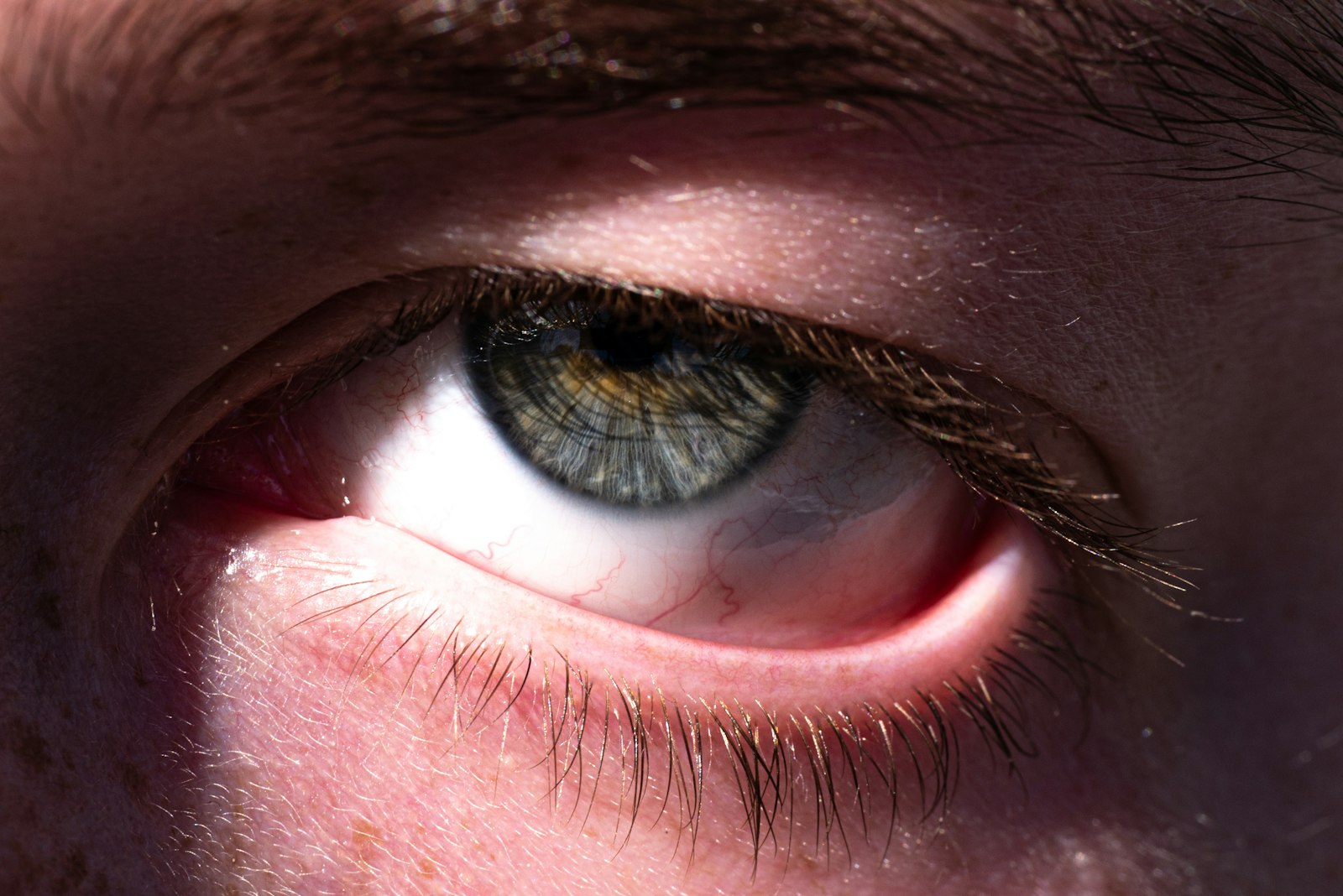
How much do you know about conjunctivitis (pink eye)? The main symptoms of pink eye are the redness that gives it its common name, itchiness, and either thick or watery discharge. Conjunctivitis is an inflammation of the clear outer layer of tissue that covers the surface of our eyes and the insi...

We tend to think of 20/20 vision being a synonym for perfect eyesight, but that isn’t quite true. All it means when someone has 20/20 vision is that they have normal visual acuity without refractive errors like nearsightedness, farsightedness, or astigmatism. There is a wide range of vision pro...

We’ve all heard that eating carrots will give us amazing eyesight. Fun fact: that idea is actually leftover World War II propaganda. The British wanted to keep their new radar technology secret from the Germans, so they claimed far and wide that their airmen got superhuman night vision by eatin...

Wearing glasses can be a big adjustment for kids when they’re just starting out. The temptation can sometimes be to leave the glasses at home instead of wearing them, even though that means going through a day of fuzzy vistas and squinting. That’s why today’s post is all about helping paren...


MAP
© 2026 Coers Family Eyecare, PC. All Rights Reserved. Accessibility Statement - Privacy Policy - Sitemap
Powered by: 